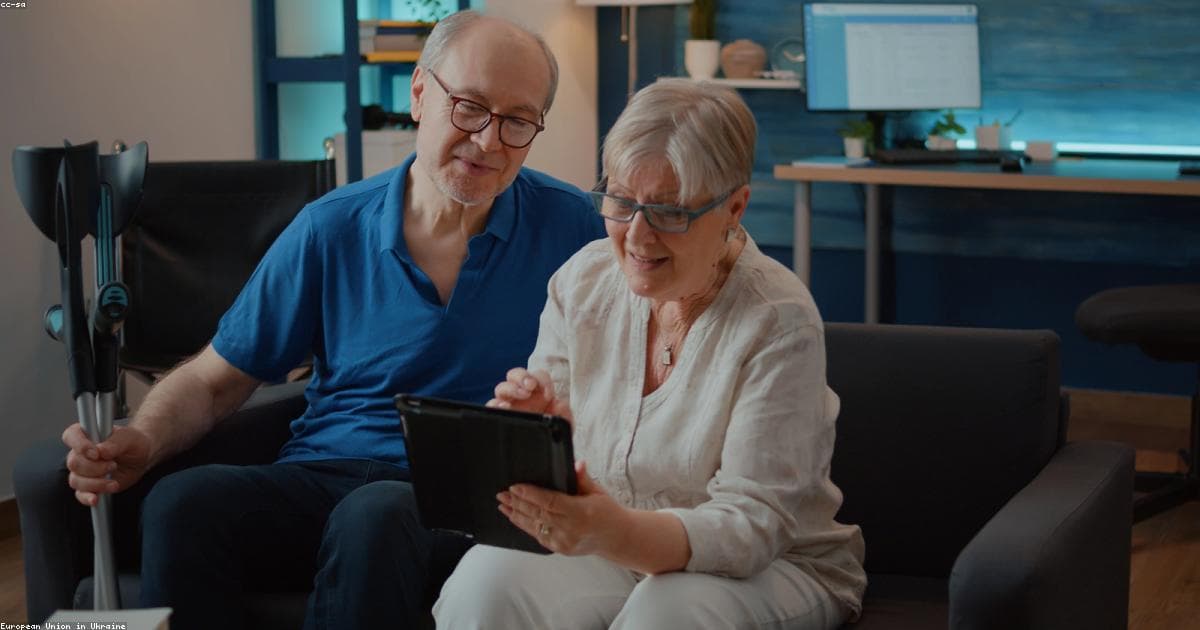
India has approximately 70 million people with some form of disability. Add the situational impairments — a factory worker with gloved hands who cannot interact with a touchscreen, a commuter reading a phone in bright sunlight who cannot see low-contrast text, a new user who has never encountered your app's navigation patterns — and the population that benefits from accessible design is far larger than the disability community alone.
WCAG (Web Content Accessibility Guidelines) 2.1 at level AA is the internationally accepted baseline standard for web and app accessibility. It defines four principles: perceivable (information is presentable in multiple modalities), operable (all functionality works via keyboard and assistive technology), understandable (content and operations are comprehensible), and robust (content works with current and future assistive technologies). Meeting WCAG AA is increasingly a legal requirement in procurement contexts and a regulatory expectation for financial and government services.
Practical accessibility implementation starts in the design phase, not the QA phase. Colour contrast ratios of at least 4.5:1 for body text, visual focus indicators for keyboard navigation, logical heading hierarchies, and sufficient touch target sizes (44px minimum) are design decisions that are trivial to make during design and expensive to retrofit after development.
Semantic HTML is the foundation of web accessibility: using the correct HTML elements for their intended purpose — button for buttons, heading elements for headings, label for form inputs — gives screen readers the structural information they need to narrate content correctly. ARIA attributes extend semantic HTML for interactive components that do not have native HTML equivalents.
Automated accessibility testing — using tools like axe-core, Lighthouse, or the browser's built-in accessibility inspector — catches a significant fraction of common accessibility issues in the CI pipeline. Automated testing cannot replace manual testing with actual screen readers (NVDA, VoiceOver, TalkBack) and users with disabilities, but it sets a consistent baseline that prevents common issues from reaching production.